The Most Popular Event Formats: A Comprehensive Guide

Events have become essential touchstones in both professional and personal spheres, bringing people together for shared experiences that create lasting memories. The landscape of event planning has evolved dramatically over recent years, with organizers constantly seeking innovative approaches to engage their audiences. Whether you’re planning a corporate gathering or a community celebration, understanding the various event formats available can help you choose the right structure for your specific goals. Industry leaders like naale limited and other event management specialists have observed how different formats resonate with diverse audiences, making it crucial to select an approach that aligns with your objectives and attendees expectations.
The success of any event largely depends on matching the format to the intended outcome. Some formats excel at knowledge sharing, while others prioritize networking or entertainment. By examining the most popular event formats currently trending across industries, you can make informed decisions that maximize engagement and deliver measurable results.
Conference and Summit Formats
Conferences remain among the most popular event formats for professional development and industry networking. These multi-day gatherings typically feature keynote speakers, breakout sessions, panel discussions, and exhibition spaces where attendees can explore new products and services. The conference format works exceptionally well for industries that need to share complex information, showcase innovations, and facilitate meaningful connections among professionals.
Modern conferences have adapted to include interactive elements that move beyond traditional lecture-style presentations. Organizers now incorporate live polling, Q&A sessions through mobile apps, and hands-on demonstration areas that allow participants to engage directly with content. The multi-track approach enables attendees to customize their experience, selecting sessions that align with their specific interests and professional development goals.
Virtual and hybrid conference formats have gained significant traction, offering flexibility for attendees who cannot travel. These adaptations maintain the core benefits of conferences while expanding accessibility and reducing environmental impact associated with large-scale travel.
Workshop and Training Session Structures
Workshops represent a more intimate and intensive format focused on skill development and hands-on learning. Unlike conferences that emphasize information dissemination, workshops prioritize active participation and practical application. These events typically accommodate smaller groups, allowing facilitators to provide personalized guidance and ensure participants master specific techniques or concepts.
The workshop format excels when the goal involves teaching concrete skills that require practice and feedback. Participants might work on case studies, engage in role-playing exercises, or complete projects that simulate real-world challenges. This immersive approach creates deeper learning experiences compared to passive information consumption.
Training sessions often combine elements of workshops with structured curricula designed to achieve specific learning outcomes. Organizations frequently use this format for employee development, customer education, and certification programs. The hands-on nature of workshops makes them ideal for building competency and confidence in new areas.
Gala and Fundraising Event Dynamics
Gala events serve as powerful tools for fundraising, celebration, and community building. These formal gatherings combine entertainment, dining, and purpose-driven programming to create memorable experiences while advancing organizational missions. The gala format typically includes cocktail receptions, multi-course dinners, live performances, and auction activities that encourage generous contributions from attendees.
Successful galas require meticulous attention to venue selection, décor, entertainment programming, and guest management. The atmosphere should reflect the organization’s values while creating an environment that inspires generosity and connection. Many galas incorporate storytelling elements that highlight the impact of donor contributions, making the cause tangible and emotionally resonant for guests.
Online entertainment platforms and digital engagement tools have expanded gala possibilities, enabling virtual attendees to participate in auctions and donate remotely. This hybrid approach increases reach while maintaining the exclusive, special-occasion atmosphere that makes galas effective fundraising vehicles.
Networking Event Approaches
Dedicated networking events have gained popularity as professionals recognize the value of building meaningful business relationships. These gatherings prioritize connection over content delivery, creating structured opportunities for attendees to meet potential collaborators, clients, and mentors. Formats range from speed networking sessions to casual mixer events that encourage organic conversation.
Effective networking events incorporate icebreakers and activities that facilitate introductions among strangers. Some organizers use technology to match attendees based on shared interests or complementary professional goals before the event begins. The physical layout of networking events matters significantly, with open floor plans and conversation-friendly furniture arrangements supporting natural mingling.
Industry-specific networking events allow professionals to connect with peers facing similar challenges and opportunities. These focused gatherings often yield more valuable connections than general networking events because attendees share common ground and relevant expertise.
Hybrid and Virtual Event Innovations
The evolution of technology has made hybrid and virtual events increasingly sophisticated and engaging. These formats remove geographical barriers, allowing organizations to reach global audiences while maintaining interactive elements that create genuine connection. Virtual events can include live-streamed presentations, breakout rooms for small group discussions, virtual exhibition halls, and gamification elements that encourage participation.
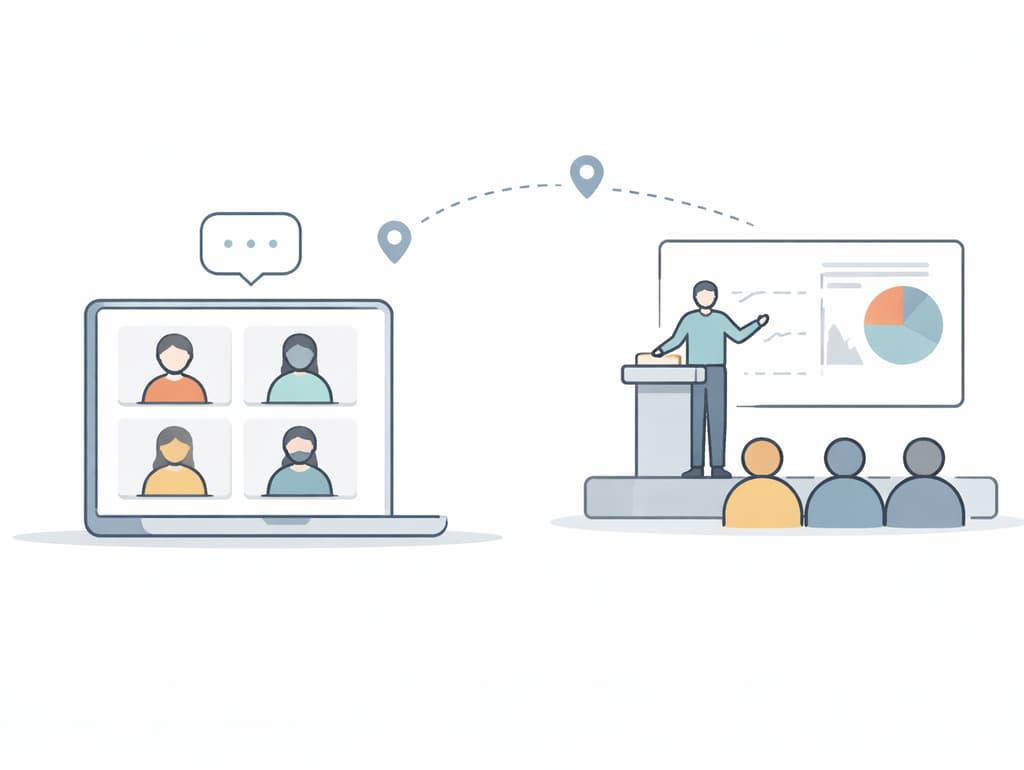
Hybrid events combine in-person and virtual components, offering flexibility while maximizing attendance. This approach requires careful planning to ensure both audience segments receive equivalent value and attention. Production quality becomes paramount in hybrid formats, as technical difficulties can significantly diminish the experience for remote participants.
The cost-effectiveness and accessibility of virtual formats make them attractive for many organizations, though they require different engagement strategies than traditional in-person events. Successful virtual events maintain energy through shorter session lengths, frequent interactive elements, and opportunities for attendees to connect beyond formal programming.
Choosing the right event format ultimately depends on your objectives, audience preferences, and available resources. By understanding the strengths and considerations of each popular format, you can design experiences that achieve your goals while creating lasting impact for attendees.